
Votre panier est vide.
public
Exploring the psychology of gambling in casinos
The allure of gambling: Understanding the thrill
The psychology of gambling often begins with the thrill associated with risk and uncertainty. Many individuals are drawn to casinos because of the excitement inherent in games of chance, which can evoke a sense of adrenaline. This thrill is not merely based on the possibility of winning; rather, it’s the unpredictability that keeps gamblers engaged. The anticipation of the next card, the roll of the dice, or the spin of the slot machine creates a powerful emotional response that can be exhilarating. For those seeking this rush, playing at a well-regarded site like nz casino online can amplify the experience. Casinos are designed to amplify these feelings through vibrant lights, sounds, and the palpable energy of fellow players.
This experience is further enhanced by the concept of reinforcement, a key aspect of behavioral psychology. Gamblers often receive intermittent rewards; even small wins can trigger the brain’s reward system, releasing dopamine and reinforcing the gambling behavior. This cycle creates a compulsion to return, as players seek to replicate that initial high. Understanding how these psychological principles work can help individuals recognize their own behavior and the potentially addictive nature of gambling, allowing them to navigate their experiences more mindfully.
Additionally, the environment within casinos plays a crucial role in shaping a gambler’s psychology. With strategic layout designs and sensory stimuli, casinos create an immersive experience that captivates players. For instance, the absence of clocks ensures that gamblers lose track of time, often leading to prolonged gaming sessions. Coupled with complimentary drinks and enticing rewards, such environments can lead to a sense of euphoria, further drawing individuals into the gambling experience. Recognizing these factors is essential for understanding how casinos manipulate psychological elements to enhance player engagement.
Cognitive biases in gambling: Understanding decision-making
Cognitive biases significantly influence decision-making in gambling settings, often leading to irrational choices. One prevalent bias is the Gambler’s Fallacy, which refers to the belief that past events affect the likelihood of future outcomes. For example, a player may think that after a series of losses, a win is imminent, failing to recognize that each game is independent. This type of thinking can keep players engaged longer than they should, leading them to make decisions based on flawed logic rather than statistical realities. This misconception can be particularly detrimental, as it fosters a false sense of security that encourages continued play.
Another cognitive bias is the illusion of control, where players believe they can influence the outcome of games, particularly those that are purely chance-based. This is commonly seen in games like roulette or slots, where gamblers might feel that certain rituals or strategies can sway results in their favor. The belief that skill can determine luck can lead to increased betting and a tendency to underestimate the inherent risks involved. Such biases serve to enhance the gambling experience but can also contribute to detrimental behaviors and increased financial risks, making it crucial for players to remain aware of these mental traps.
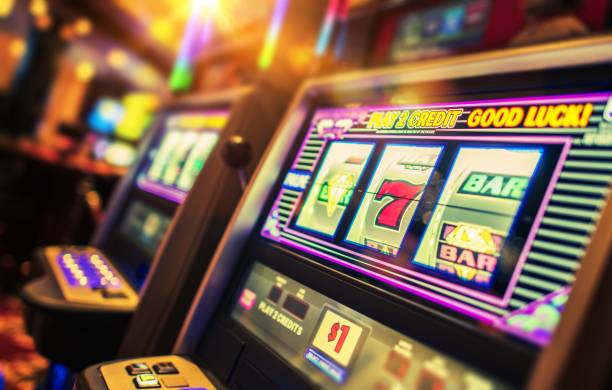
Compounding these cognitive biases are emotional factors such as loss aversion, which can cause gamblers to make poor decisions following losses. The desire to recover lost money can lead to chasing losses, often resulting in even greater financial harm. Many gamblers become trapped in a cycle of risk-taking, driven by the urge to regain control over their losses. Recognizing these cognitive biases not only aids in understanding the psychology of gambling but also in developing strategies to mitigate their effects for both casual players and those struggling with addiction.
The social aspect of gambling: Community and competition
The social dynamics of gambling are another significant element of its psychological appeal. Casinos often foster an environment of competition and camaraderie, as players interact with one another during games. This social aspect can enhance enjoyment for many, as shared experiences, stories, and strategies create a sense of belonging. Being surrounded by others engaged in the same activities can amplify the thrill of gambling, making the experience feel less solitary and more collective. This shared excitement can often lead to prolonged engagement and a stronger connection to the activity.
Furthermore, social validation plays a key role; players often share their successes or failures with friends and family, seeking recognition for their achievements. This desire for validation can lead to increased participation in gambling activities, as individuals want to prove themselves to their peers. Additionally, the presence of social gatherings and events in casinos can enhance this aspect, as players may be more inclined to gamble when they feel part of a community, driving engagement and loyalty to the casino. This community feeling can create a culture of gambling that encourages participation and often normalizes the behavior.
However, the social aspect can also have negative consequences. Peer pressure can lead to excessive gambling or participation in high-stakes games that individuals might not normally consider. Moreover, the competitive environment can lead some players to take risks that exceed their limits, propelled by the desire to impress others or secure a win. Thus, while the communal aspect of gambling can enhance enjoyment, it also poses challenges that players must navigate to maintain a healthy relationship with gambling and ensure that their social interactions do not spiral into harmful behavior.
The role of marketing in casino psychology
Marketing strategies employed by casinos are meticulously designed to exploit psychological triggers and enhance player engagement. From loyalty programs to targeted promotions, casinos understand the importance of appealing to emotions and cognitive biases. For instance, offering players free credits or complimentary services can create a feeling of gratitude, urging them to spend more. Such marketing techniques harness the principles of reciprocity, which can make players feel inclined to return the favor by wagering more money. This manipulation of emotions is a powerful tool in retaining players and encouraging them to gamble more frequently.

Additionally, casinos employ sophisticated data analysis to personalize marketing efforts. By tracking players’ behaviors and preferences, they can tailor promotions to fit individual profiles, making them feel unique and valued. This personalization fosters loyalty and encourages repeat visits. The strategic placement of advertisements throughout casino floors also plays into the psychology of visibility, where enticing promotions catch players’ attention and stimulate spontaneous gambling, further driving their spending habits. This constant reinforcement of marketing messages can lead to a cycle of increased participation and spending.
Moreover, the branding and overall aesthetic of a casino can evoke emotions that resonate with potential players. Elegant designs, luxurious settings, and engaging entertainment evoke feelings of wealth and opportunity. This carefully crafted image helps to position casinos as desirable destinations for socialization and recreation. Thus, the interplay between marketing tactics and psychology significantly influences gambling behavior and serves as a powerful tool for attracting and retaining players in a competitive industry, ultimately shaping the overall experience of gambling.
Conclusion: Understanding gambling psychology for better choices
Understanding the psychology of gambling is essential for anyone who participates in this activity, whether casually or regularly. By comprehending the allure of risk, cognitive biases, social dynamics, and marketing tactics, players can become more aware of their motivations and decision-making processes. This knowledge equips individuals to make informed choices about their gambling habits, encouraging a healthier relationship with gaming activities. Awareness of these psychological elements can be a pivotal step in promoting responsible gambling practices.
Furthermore, awareness of the psychological factors at play can help individuals identify signs of problematic gambling behavior in themselves or others. Recognizing issues early is crucial in implementing strategies to mitigate risks and seek help when necessary. By fostering a better understanding of gambling psychology, players can enhance their gaming experiences while ensuring responsible participation. This understanding can empower individuals to enjoy gambling without compromising their well-being.
Ultimately, whether for entertainment or profit, engaging with the psychology of gambling offers valuable insights. It empowers individuals to navigate the intricate landscape of casinos and gambling behavior, allowing them to enjoy the thrill while keeping their well-being in check. For more resources and supportive information on gambling psychology, our website provides extensive articles, expert opinions, and community forums to promote responsible gambling and awareness. Explore our platform for more in-depth insights and discussions on this fascinating topic, ensuring that your gambling experiences remain enjoyable and safe.
